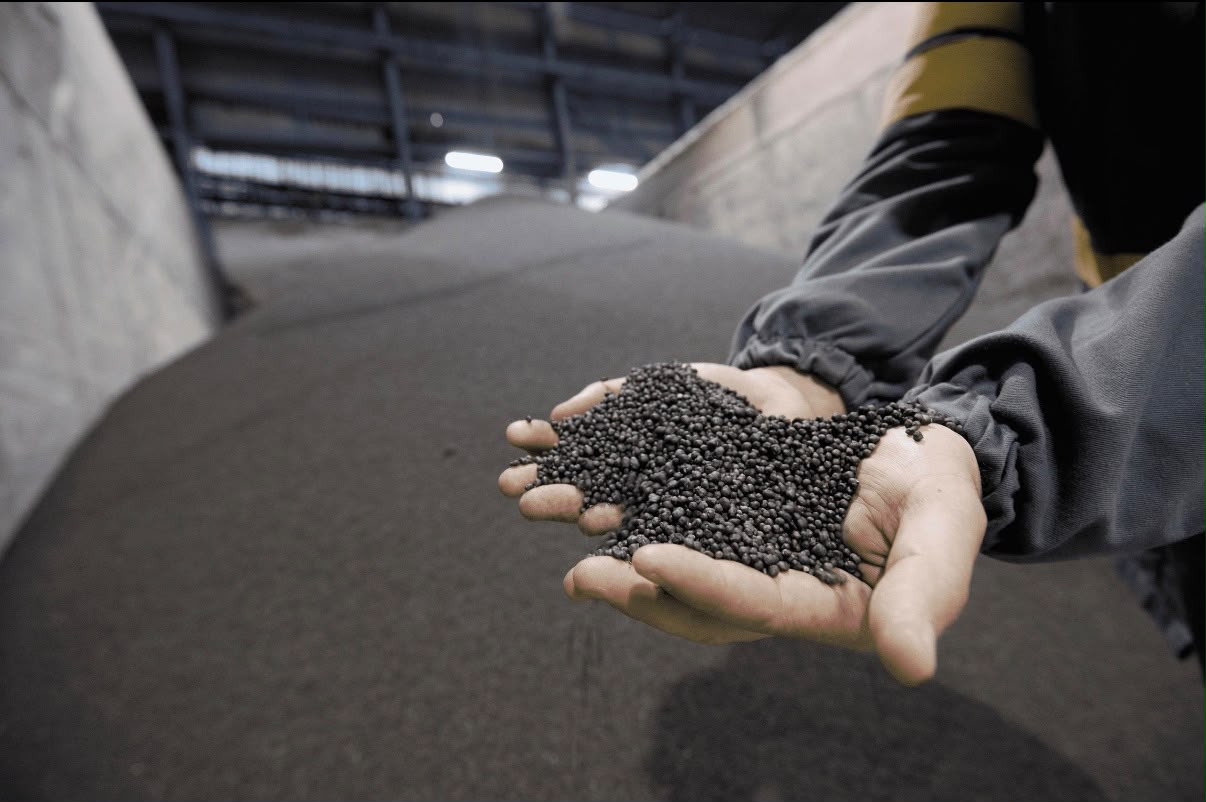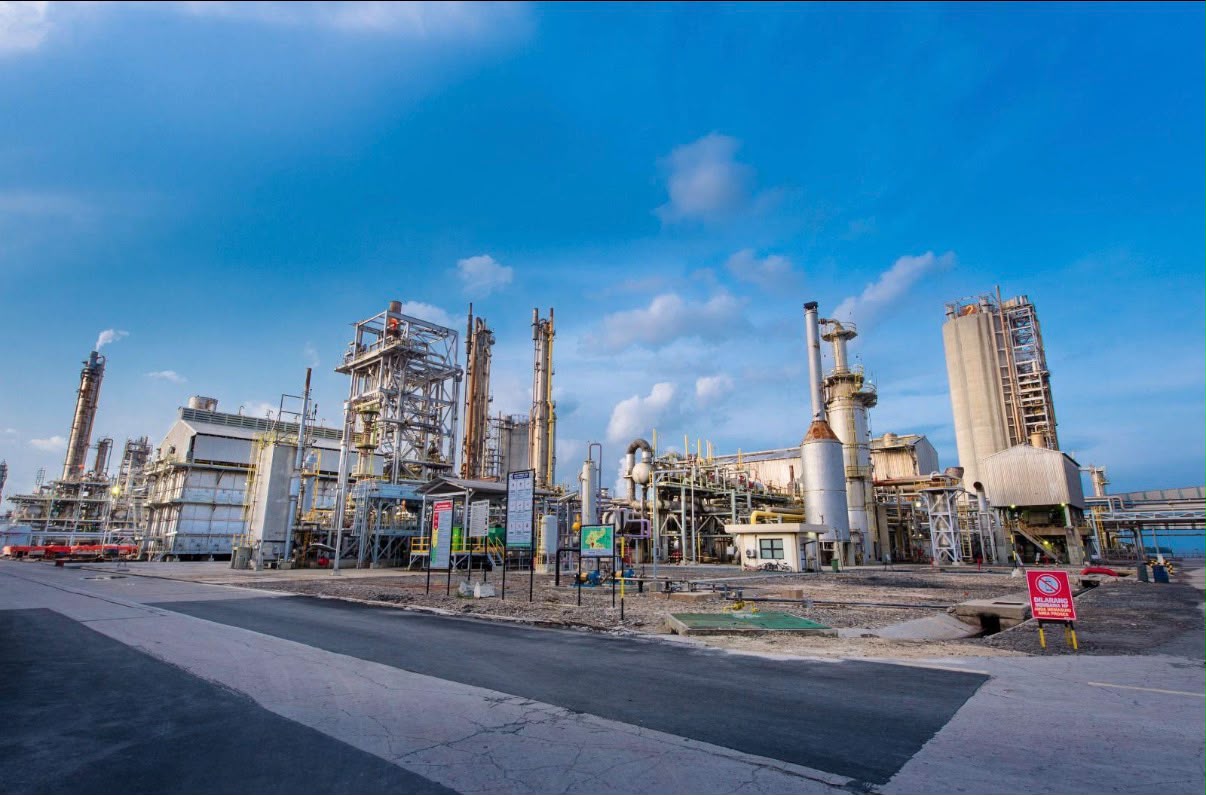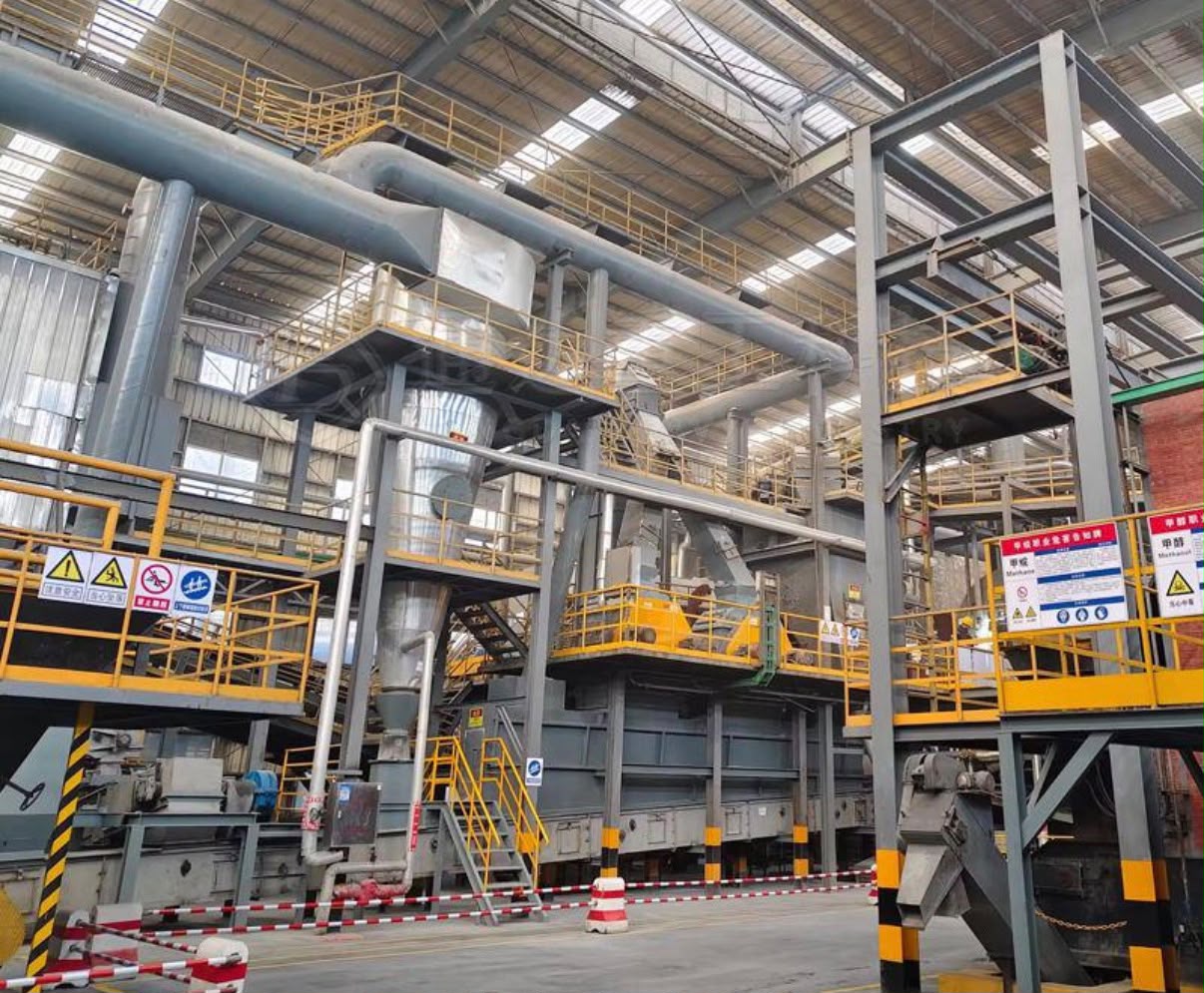
Building a fertilizer plant involves much more than purchasing machinery and installing a production line. A successful investment requires the coordinated management of product selection, market analysis, capacity planning, process engineering, regulatory approvals, raw material sourcing, quality control and commissioning.
Organic, organomineral, chemical, granular, liquid and powdered fertilizer plants require different production technologies, equipment and utility systems. The first step in establishing a fertilizer factory is therefore to develop an investment model that reflects the intended products, production capacity and target market.
1. Determine the Type of Fertilizer to Be Produced
Before designing the facility, the investor must determine which fertilizer products will be manufactured.
The production model may include:
- Organic fertilizers
- Organomineral fertilizers
- NPK compound fertilizers
- Granular fertilizers
- Powdered fertilizers
- Liquid fertilizers
- Micronutrient fertilizers
- Specialty plant nutrition products
- Fertilizer blending and packaging products
The selected product directly influences raw material requirements, process technology, machinery, energy consumption, storage conditions and the overall investment budget.
A dry blending and packaging facility, for example, has very different engineering requirements from an integrated plant involving chemical reactions, granulation, drying and gas treatment systems. European Commission technical reference documents also assess urea, NPK, ammonium nitrate and phosphate fertilizer manufacturing as distinct industrial processes.
2. Conduct Market Research and a Feasibility Study
A comprehensive feasibility study should be completed before the investment begins. The study determines whether the proposed plant is technically and commercially viable.
The assessment should cover:
- Target markets and customer groups
- Regional fertilizer demand
- Planned product formulations
- Competitor analysis
- Availability of raw materials
- Annual production capacity
- Estimated sales prices
- Capital investment requirements
- Operating expenses
- Energy and personnel requirements
- Logistics and storage costs
- Estimated return on investment
A realistic feasibility study helps prevent the construction of a facility that is either oversized or unable to meet market demand.
3. Plan the Production Capacity
Plant capacity should be based on market demand, raw material availability, sales targets and the available investment budget.
Capacity planning should consider more than annual output. Hourly production capacity, operating shifts, maintenance downtime, product changeover periods and packaging capacity must also be evaluated.
A production bottleneck may occur when the main process line can produce more material than the packaging line can handle. Crushing, screening, dosing, mixing, granulation, drying, cooling and packaging units must therefore be designed as one integrated system.
4. Select the Plant Location
Plant location has a direct impact on long-term operating costs and supply chain efficiency.
Important location criteria include:
- Proximity to raw material sources
- Access to target markets
- Road, railway and port connections
- Availability of electricity, natural gas and water
- Industrial zone infrastructure
- Warehouse and storage capacity
- Space for future expansion
- Environmental considerations
- Distance from residential areas
- Availability of qualified labour
An unsuitable location can create permanent additional costs, particularly for inbound raw materials and outbound product logistics.
5. Complete Process Design and Engineering
Process engineering defines the technical structure of the fertilizer production plant. The production flow is developed according to the product formulation, raw material characteristics and required final product specifications.
Engineering activities generally include:
- Preparation of process flow diagrams
- Development of Piping and Instrumentation Diagrams
- Raw material receiving and storage systems
- Dosing and weighing systems
- Mixing units
- Granulation systems
- Drying and cooling systems
- Screening and recycling lines
- Dust collection and gas treatment systems
- Packaging and palletizing lines
- Electrical and automation infrastructure
- Utility systems
- Plant layout planning
A properly designed process improves production efficiency, reduces unnecessary energy consumption and minimizes future capacity constraints.
6. Select the Fertilizer Production Equipment
Equipment should not be selected solely on the basis of purchase price. Machinery must be compatible with the characteristics of the raw materials, target products and production capacity.
Typical fertilizer production equipment may include:
- Raw material crushers
- Screening systems
- Dosing and weighing units
- Mixers
- Granulators
- Dryers
- Coolers
- Coating units
- Conveyors and bucket elevators
- Dust collection systems
- Packaging machines
- Palletizing systems
- PLC and SCADA automation systems
Energy consumption, maintenance requirements, spare-part availability and automation compatibility should be evaluated together with equipment capacity.
7. Obtain Regulatory Approvals and Product Registrations
The approvals required for a fertilizer plant depend on its location, production process, capacity and environmental impact.
In Türkiye, relevant procedures may include:
- Zoning and construction approvals
- Business opening and operating licences
- Environmental Impact Assessment procedures
- Environmental permits
- Organic fertilizer production permits
- Fertilizer licences
- Product registration
- Capacity reports
- Fire and occupational safety approvals
- Import and export permits
The organic fertilizer production permit process published by the Turkish Ministry of Agriculture and Forestry includes documents such as an application form, production process description and a capacity report or capacity compliance report. The Ministry also operates online systems for fertilizer licences, registrations and production permit applications.
Environmental Impact Assessment and environmental permit requirements are evaluated according to the facility’s activity, production capacity, emissions, wastewater and other environmental effects.
Since regulatory requirements differ by country, region and project scope, the applicable legislation should be reviewed before the investment begins.
8. Complete Construction and Installation
Once the detailed engineering phase has been completed, construction and field installation can begin.
The installation stage requires the coordinated work of:
- Civil construction teams
- Mechanical installation teams
- Piping teams
- Electrical installation teams
- Automation specialists
- Welding teams
- Site supervisors
- Quality control personnel
- Occupational health and safety specialists
Machine foundations must be constructed according to approved dimensions, production lines must be installed at the correct elevations and all equipment connections must comply with the engineering drawings.
Accurate installation reduces delays and technical problems during commissioning.
9. Plan Occupational Safety and Environmental Controls
Fertilizer plants may involve chemical materials, dust, moving equipment, high temperatures, pressurized systems and combustible substances.
The following measures should be considered during the design stage:
- Risk assessments
- Dust collection and ventilation
- Fire detection and suppression systems
- Explosion prevention measures
- Chemical storage procedures
- Emergency response plans
- Machine guarding
- Employee training
- Personal protective equipment
- Waste and emission management
Guidance published by the Turkish Ministry of Labour and Social Security emphasizes the systematic management of chemical exposure, dust, fire, ignition and explosion risks in chemical manufacturing workplaces.
10. Perform Testing and Commissioning
A fertilizer plant should not immediately begin operating at full production capacity after installation. Individual equipment and the complete production line must first be tested.
A typical commissioning process includes:
- Mechanical inspections
- Electrical and automation testing
- No-load testing
- Trial production with raw materials
- Dosing and formulation adjustments
- Product quality analyses
- Capacity and performance testing
- Operator training
- Provisional acceptance
- Commercial production
During trial production, parameters such as particle size, moisture content, nutrient composition, product homogeneity, granule strength and packaging quality should be checked.
11. Establish Quality Control and Management Systems
Completing the physical installation is not enough to achieve sustainable fertilizer production. Production processes must also be standardized, documented and traceable.
Key operational systems include:
- Raw material acceptance procedures
- Production formulations
- Batch and lot tracking
- Laboratory analyses
- Quality control plans
- Preventive maintenance programs
- Inventory management
- Occupational safety procedures
- Operator instructions
- Final shipment inspections
A structured management system helps maintain product quality and reduce production losses.
How Long Does It Take to Build a Fertilizer Plant?
The project schedule depends on the production technology, plant capacity, equipment supply periods, construction requirements and regulatory procedures.
A basic blending and packaging facility may be completed more quickly than a plant involving granulation, drying, gas treatment and advanced automation systems.
Engineering, permitting, procurement, manufacturing, transportation, installation and commissioning should all be included in the project schedule.
How Is the Cost of a Fertilizer Plant Calculated?
There is no single standard cost for establishing a fertilizer factory.
The total investment is influenced by:
- Production capacity
- Type of fertilizer
- Process technology
- Equipment quality
- Level of automation
- Civil construction and infrastructure
- Utility systems
- Environmental control equipment
- Storage and packaging areas
- Transportation, installation and commissioning
- Licensing and permitting
- Working capital
A reliable investment budget should evaluate capital expenditure and operating expenditure separately.
Conclusion
The establishment of a fertilizer plant is a comprehensive investment project involving feasibility, engineering, procurement, regulation, construction, installation and operational planning.
An improperly designed production line may result in capacity losses, excessive energy consumption, inconsistent product quality and unexpected investment costs. Each stage should therefore be managed by experienced engineering and project teams.
CFL Engineering provides end-to-end technical consulting services for the establishment, capacity expansion and modernization of organic, organomineral and chemical fertilizer plants—from feasibility studies through commissioning.
Frequently Asked Questions
Which permits are required to establish a fertilizer plant?
The required permits depend on the plant type, production capacity and location. Zoning, environmental, operating, production, fertilizer licensing and product registration requirements should be evaluated.
Can a small-scale fertilizer plant be established?
Yes. Modular blending, packaging or organic fertilizer production plants can be designed according to the target market and production model.
Is automation necessary in a fertilizer plant?
Automation improves dosing accuracy, product consistency, traceability and operational safety. The required level of automation depends on the plant capacity and process structure.
Can an existing fertilizer plant be modernized?
Yes. Capacity expansion, automation upgrades, energy-efficiency improvements, dust control, packaging modernization and process optimization can be implemented.