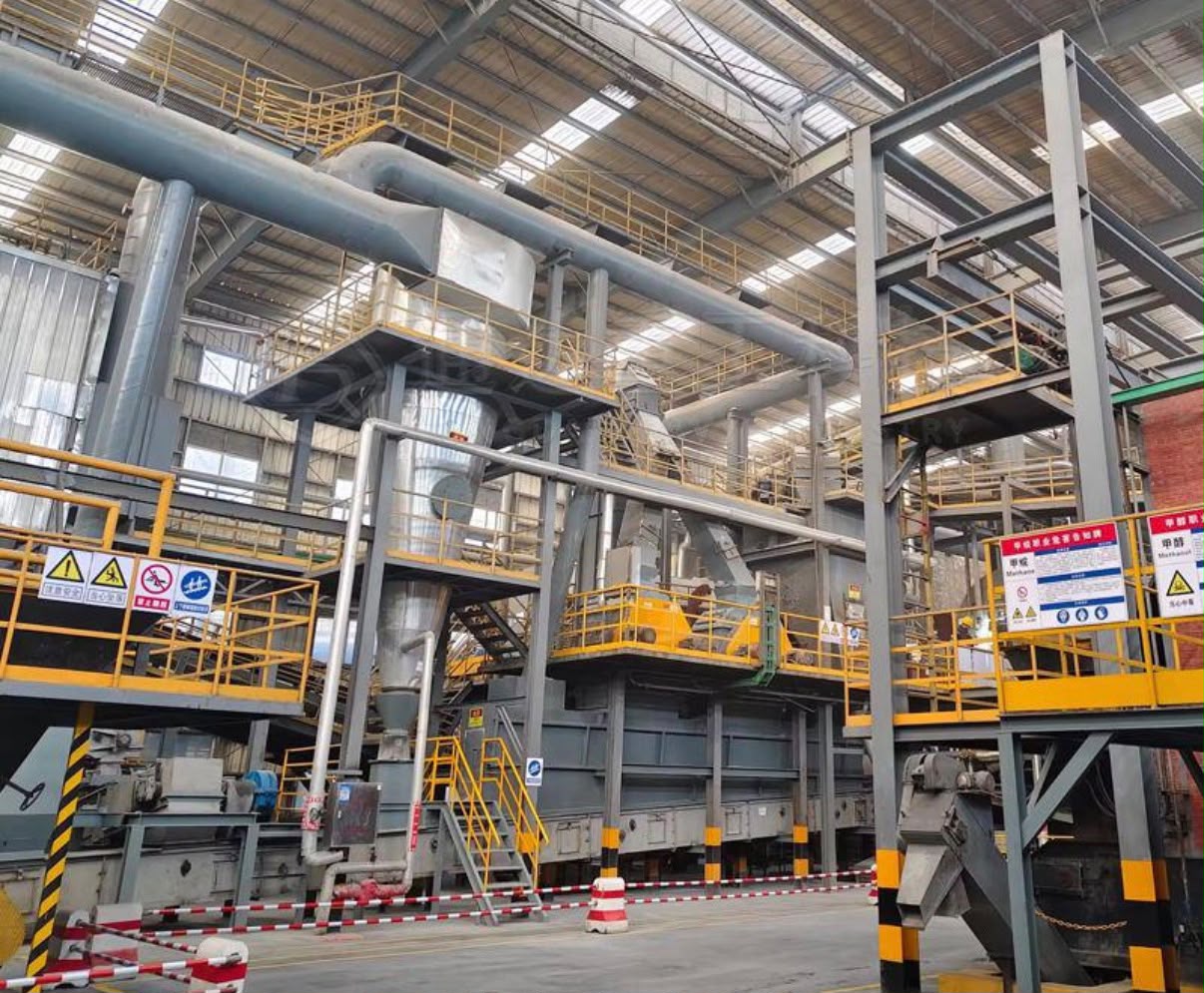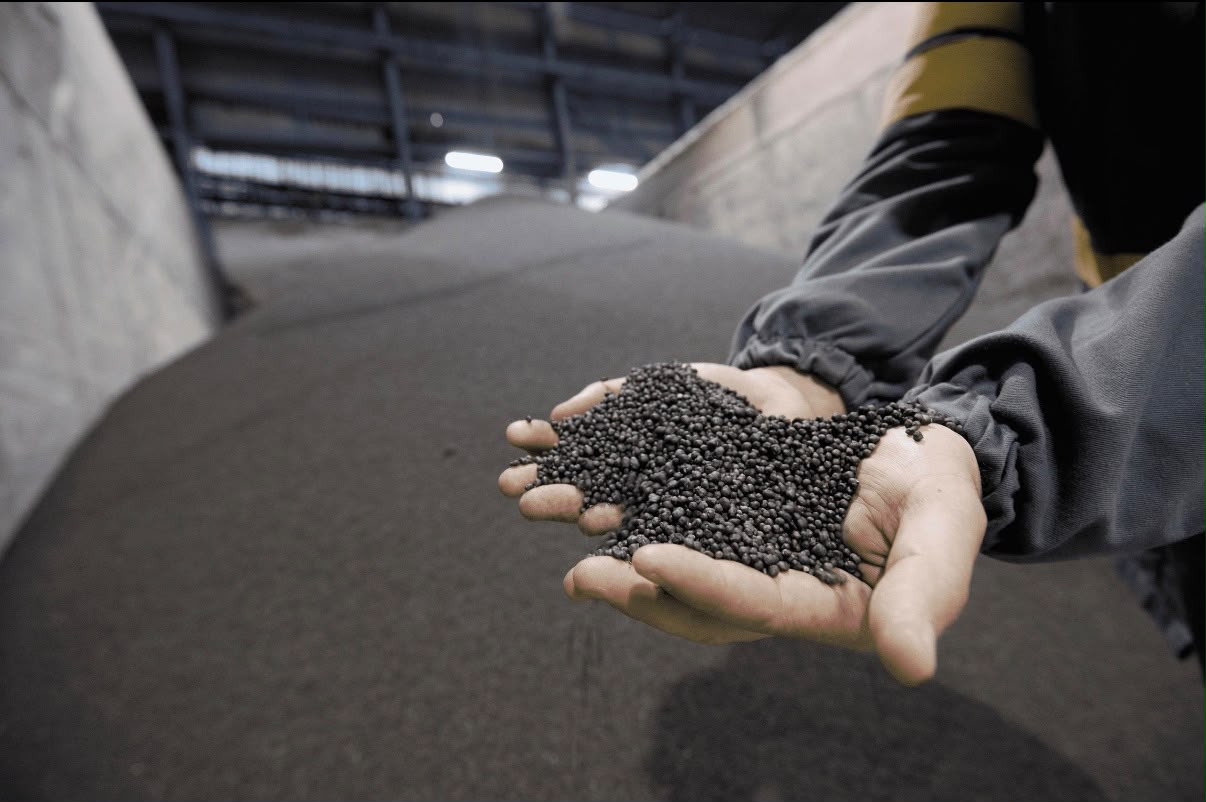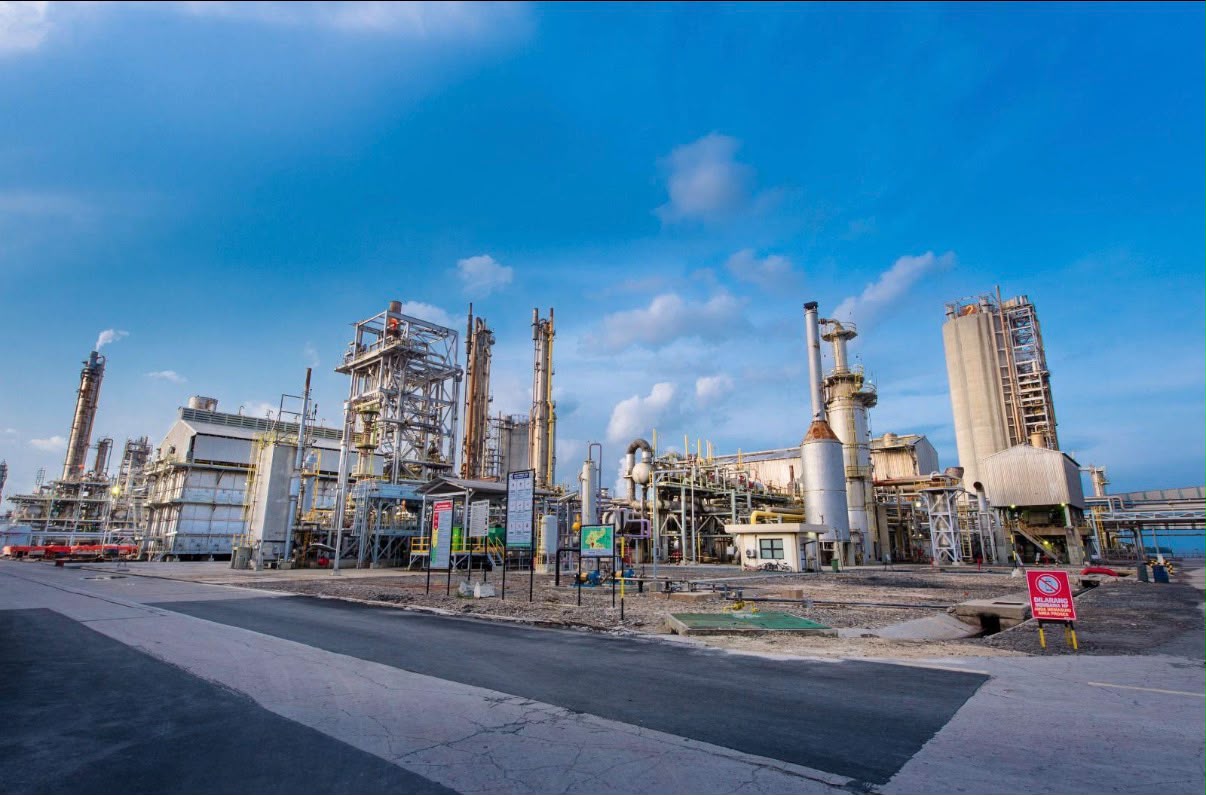
NPK fertilizer production involves dosing, mixing and processing nitrogen, phosphorus and potassium sources according to a predetermined formulation.
Depending on the required product, NPK fertilizers can be manufactured through dry blending, compaction or chemical granulation. The appropriate method depends on the desired formulation, production capacity, raw material properties, granule quality and investment model.
European Commission technical references identify mixed-acid production, the nitrophosphate route, mechanical blending and compaction as different methods used to manufacture NPK fertilizers.
What Is NPK Fertilizer?
NPK represents three primary plant nutrients:
- N: Nitrogen
- P: Phosphorus
- K: Potassium
Products containing more than one declared primary nutrient can be categorized as compound or complex fertilizers, depending on how they are manufactured.
In a grade such as NPK 15-15-15, the figures indicate the declared nitrogen, phosphorus pentoxide and potassium oxide contents in N–P–K order.
Main NPK Fertilizer Production Methods
Dry Blending
In dry blending plants, finished granular nutrient materials are weighed and physically mixed.
The materials do not normally undergo a chemical reaction. Individual particles may come from different nutrient sources, making compatible particle size and density important for minimizing segregation.
Compaction
During compaction, powdered or fine raw materials are compressed under mechanical pressure. The resulting sheets or ribbons are crushed and screened to produce particles within the required size range.
Chemical Granulation
Chemical granulation may include reaction, neutralization, slurry preparation and particle formation.
The main industrial options include:
- Mixed-acid processes
- Nitrophosphate processes
- Pipe reactor systems
- Pre-neutralization systems
- Drum ammoniation and granulation
The production route must be selected according to the raw materials and fertilizer grades to be produced.
Step-by-Step NPK Fertilizer Manufacturing Process
1. Product Formulation
The required nutrient grade is defined before production begins.
The formulation should consider:
- Target NPK values
- Forms of nitrogen
- Phosphorus source and solubility
- Potassium source
- Secondary nutrients
- Micronutrients
- Raw material moisture
- Final product form
- Required granule size
A production recipe is then developed using raw material analyses and mass-balance calculations.
2. Raw Material Receiving and Storage
Typical materials may include:
- Urea
- Ammonium sulfate
- MAP
- DAP
- Phosphoric acid
- Potassium chloride
- Potassium sulfate
- Ammonia
- Process acids
- Fillers
- Micronutrients
- Coating agents
Raw materials should be checked for nutrient content, moisture, particle size, density and contamination before being accepted.
3. Crushing and Screening
Agglomerated or oversized materials may be crushed and screened before dosing.
This helps:
- Standardize particle size
- Improve dosing accuracy
- Support homogeneous mixing
- Improve granulation
- Prevent equipment blockage
4. Dosing and Weighing
Each raw material is fed into the production line according to the approved recipe.
A typical dosing system may include:
- Storage bins
- Feeders
- Belt scales
- Load cells
- Automatic recipe controls
- PLC-based monitoring
Accurate dosing is essential for ensuring that the finished fertilizer meets its declared nutrient values.
5. Neutralization and Reaction
Chemical NPK plants may react ammonia, acids and other materials in controlled processing equipment.
Neutralization may take place in:
- Pre-neutralization tanks
- Pipe reactors
- Granulation drums
- Multi-stage reactor systems
Pipe reactors can use reaction heat to remove part of the process water. Pre-neutralization systems create a slurry that is adjusted before entering the granulator.
Dry blending plants do not normally include this stage.
6. Mixing
Solid materials, liquid components and recycled particles are mixed to create a uniform feed.
Mixing quality is affected by equipment capacity, residence time, rotational speed, fill level, blade geometry and the order in which materials are introduced.
7. Granulation
Granulation converts powders or fine particles into larger and mechanically stronger granules.
Common equipment includes:
- Rotary drum granulators
- Pan granulators
- Pugmill granulators
- High-shear mixers
- Spherodisers
- Compactors
Important operating parameters include moisture, particle size, liquid-to-solid ratio, binder quantity, recycle ratio, drum speed, equipment inclination and residence time.
European Commission references list rotary drums, spherodisers, prill towers, pugmills, pan granulation and compaction among the available particle-formation systems.
8. Drying
Fresh granules generally contain more moisture than is suitable for storage and packaging.
Drying is used to:
- Reduce product moisture
- Improve granule strength
- Reduce caking
- Increase storage stability
- Improve screening performance
Drying conditions must be adjusted to the fertilizer formulation and thermal characteristics of the raw materials.
9. Screening and Recycling
Dried granules are separated according to particle size:
- On-size material continues to the product line.
- Undersized particles are returned to the granulator.
- Oversized particles are crushed and recycled.
This closed-loop system reduces raw material losses and supports consistent granule size.
10. Cooling
Granules leaving the dryer may be too hot for immediate packaging.
Cooling helps reduce:
- Condensation inside the packaging
- Moisture absorption
- Caking
- Storage instability
EPA process descriptions include cooling as a standard operation after drying and before final product handling.
11. Coating and Conditioning
Anti-caking or dust-control agents may be applied to cooled granules.
Coating can improve:
- Product flow
- Storage performance
- Resistance to caking
- Surface durability
- Dust control
Cooling and coating before storage are included in the European Commission’s description of NPK product conditioning.
12. Quality Control
Typical quality parameters include:
- Total nitrogen
- Phosphorus content and solubility
- Potassium content
- Secondary nutrients
- Micronutrients
- Moisture
- Particle-size distribution
- Granule strength
- Bulk density
- pH
- Caking tendency
- Dust content
- Product uniformity
Registration, analysis, labeling and market-surveillance requirements should be assessed according to the regulations of the country where the fertilizer will be sold.
13. Packaging and Storage
Finished products may be supplied in:
- 25 kg bags
- 50 kg bags
- Big bags
- Bulk form
Packaging systems may include automatic weighing, bag filling, sealing, labeling, palletizing and stretch wrapping.
The fertilizer should be stored in a dry, clean and protected warehouse with effective batch and lot traceability.
Main NPK Fertilizer Production Equipment
A granular NPK production line may include:
- Raw material bins
- Crushers
- Screens
- Dosing systems
- Belt scales
- Mixers
- Reactors
- Neutralizers
- Granulators
- Rotary dryers
- Coolers
- Oversize crushers
- Coating drums
- Conveyors
- Bucket elevators
- Dust collection systems
- Wet scrubbers
- Packaging machines
- Palletizers
- PLC and SCADA systems
The capacity of the plant should be determined by the capacity of the complete line rather than only the main granulator.
Blended NPK vs. Complex NPK Fertilizer
Blended NPK fertilizer is produced by physically mixing finished granular nutrient sources.
Complex NPK fertilizer is manufactured through processes such as chemical reaction, slurry preparation and granulation. The goal is generally to provide a similar nutrient composition in each granule.
Blending plants may offer greater formulation flexibility and lower initial investment, while complex fertilizer plants require more extensive process, energy, automation and emission-control systems.
Environmental and Occupational Safety
Depending on the production route, NPK manufacturing may generate dust, ammonia, acidic gases and other process emissions.
Potential emission sources include:
- Reactors
- Granulators
- Dryers
- Coolers
- Screens
- Material transfer points
Cyclones, bag filters, wet scrubbers and enclosed material-handling systems can be incorporated into the plant design.
Recycling scrubber liquids and process water back into production may also help reduce wastewater generation.
Conclusion
The NPK fertilizer production process requires coordinated formulation, raw material sourcing, dosing, processing and quality-control systems.
Incorrect equipment selection, poor capacity matching or insufficient control of moisture and granulation conditions can result in inconsistent products, excessive recycling, higher energy consumption and production downtime.
CFL Engineering provides end-to-end engineering services for NPK and compound fertilizer plants, including feasibility studies, process design, machinery selection, plant layouts, electrical and automation engineering, production formulations and commissioning.
Frequently Asked Questions
Which raw materials are used in NPK fertilizer production?
Possible materials include urea, ammonium sulfate, MAP, DAP, potassium chloride and potassium sulfate. The exact materials depend on the required formulation and production method.
Why is granulation important?
Granulation influences product flowability, mechanical strength, storage stability and uniform field application.
Are all NPK fertilizers chemically produced?
No. Some products are manufactured by dry blending finished granules, while others are produced through chemical reactions and granulation.
Can screened material be recycled?
Yes. Undersized granules and crushed oversized particles can be returned to the granulation system under controlled conditions.
Can an NPK production plant be automated?
Yes. Dosing, recipe management, temperature, moisture, granulation, material flow and packaging can be monitored and controlled through PLC and SCADA systems.